


Live Roulette Wheel Bias Guide for Australian Players

When you sit down at a live dealer table, the wheel is supposed to be the honest bit. Yet history shows even physical wheels can develop quirks over time. Our live roulette wheel bias guide breaks down what that actually means for an Aussie player weighing up a new account, a welcome offer, and whether the maths behind the spin matters more than the colours on the felt.
What Wheel Bias Actually Means
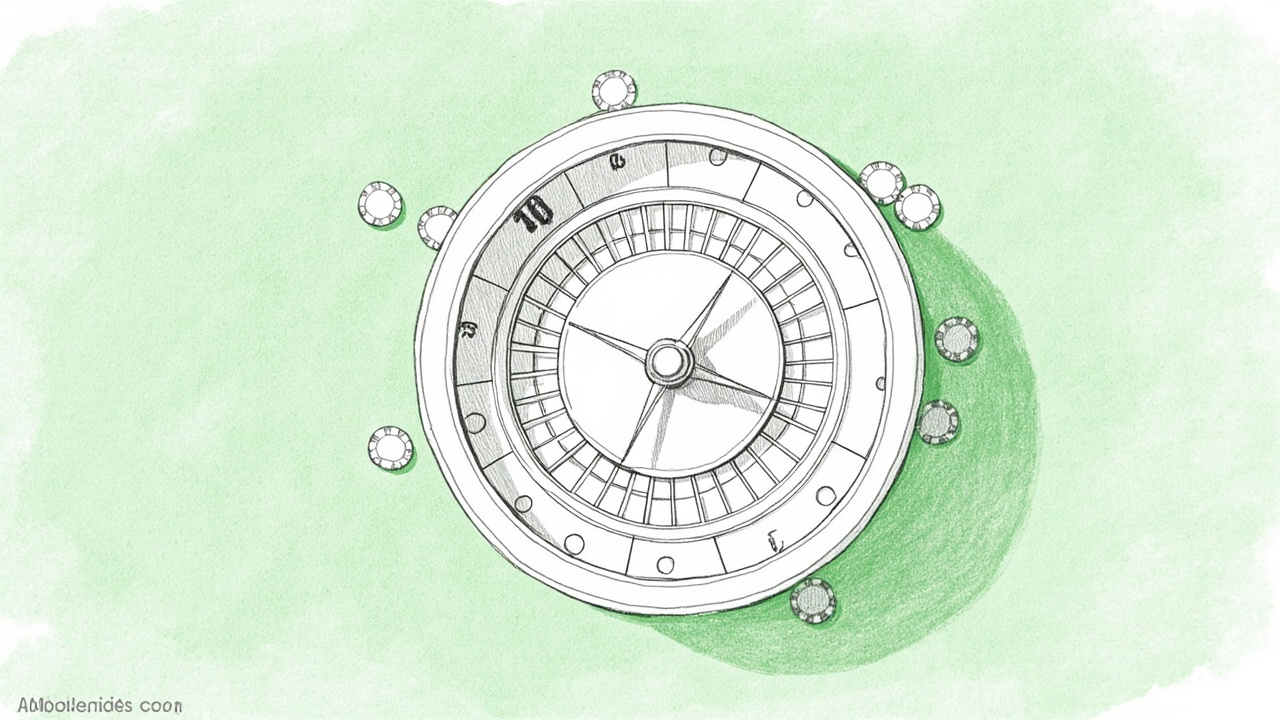
Wheel bias is not a conspiracy theory cooked up in a backroom; it is a measurable deviation where certain pockets or segments catch the ball more often than probability suggests. In a regulated casino environment, wheels are monitored, swapped, and balanced, so any persistent tilt is usually caught before it costs the house money. For a player, the practical takeaway is that a single cold number over a few sessions is just variance, not proof the wheel is rigged. I have seen producers log thousands of spins to confirm a wheel stays within tolerance, and the same discipline applies when you compare a welcome package against the real cost of play. A good live roulette wheel bias guide should remind you that bias, if it exists, is rare, slow to detect, and never something you can bank on from the arvo onwards. If you want to see how these tables actually stream to your screen, live wheel games bring casino action to the screen and the dealer’s rhythm is often more telling than the numbers on the day.
The Math Behind a Single Spin
Every pocket on a balanced wheel carries the same theoretical probability, and the house edge comes from the zero pockets rather than any hidden lean. When you run the numbers, a European wheel with a single zero gives the house a 2.7% edge on even-money bets, which is the figure that matters far more than chasing a number that big-bass-splash-au.com has not shown up in twenty spins. I have consulted on game math for tables where the recorded hit rates stayed flat across tens of thousands of rounds, and that kind of dataset is what separates a genuine quirk from ordinary noise. A player who understands the edge will reckon the smart move is to manage stake size and session length, not to build a betting system around a hunch about the wheel.
Why Live Tables Are Harder to Read
Live dealer wheels are physically real, but they are also streamed, cut, and presented through a production pipeline that can obscure the subtle tells a bias hunter would look for in a quiet floor. Camera angles, table rotations, and the dealer’s hand speed all change how the ball behaves from one session to the next, which means any apparent pattern often disappears once you change tables or dealers. I have produced online gaming content where the same wheel model was used across multiple studios, and the consistency of the equipment mattered less than the consistency of the broadcast and the shuffle cycle. For an Australian player, that means treating any live table as a fresh environment rather than assuming yesterday’s numbers predict today’s outcome.
How a Player Should Read the Data
If you are tracking results for your own curiosity, keep the sample size honest and log the same wheel, same dealer, and same table layout before you draw any conclusions. A handful of sessions is not enough to separate a real lean from the normal ups and downs that every game produces, and the moment you start staking more to “test” a theory, you are playing the variance rather than the wheel. I have seen loyalty programmes reward steady, measured play far more reliably than aggressive chases, and the same principle applies here: record what happens, keep your stakes sensible, and let the numbers speak over a proper run of spins rather than a busy afternoon.
| What to Track | Why It Matters | Practical Limit |
|---|---|---|
| Same wheel and dealer | Reduces table-to-table variation | Log at least several sessions before drawing conclusions |
| Pocket hit frequency | Shows whether a segment stands out | Compare against expected probability, not a feeling |
| Stake size per spin | Keeps variance manageable | Set a session limit you are comfortable losing |
| Time and table changes | Bias claims often fade across shifts | Treat each new dealer or table as a fresh start |
Welcome Bonus and Promotions: What to Weigh
A welcome offer can look generous on the surface, but the real test is how the contribution rules, wagering, and eligibility shape the cost of your play on live dealer tables. Some packages treat live roulette as a lower-contributing game, which means a chunk of your deposit counts less toward clearing the requirement than it would on slots, and that changes the maths of whether the bonus is worth claiming at all. I have reviewed online gaming offers where the fine print on game contribution turned a headline figure into a much slower path to withdrawal, and the same scrutiny applies when you read the terms before you sign up. A solid live roulette wheel bias guide should push you to check the contribution percentage, the max bet limit during play, and whether recurring promos or loyalty rewards stack on top of the initial offer.
Eligibility usually hinges on being in a permitted jurisdiction, being of legal age, and not having claimed a similar welcome deal before, so read the geographic and account rules carefully rather than assuming the offer follows you across borders. Wagering requirements are typically expressed as a multiple of the bonus or the deposit-plus-bonus amount, and the clock on those requirements can run from a few days to several weeks depending on the operator. Contribution rates vary by game, and live roulette often sits below the top tier, so a bonus that looks big on paper may translate into a smaller effective playing budget once the weighting is applied. Max bet limits during bonus play are there to stop players from staking high to clear requirements quickly, and breaching them can void the offer, so keep your stakes within the stated ceiling. Recurring promos and loyalty points can soften the overall cost of play, but they usually reward consistent activity rather than a single big deposit, which is why I always weigh the ongoing value alongside the welcome terms.Live wheel games bring casino action
Player Fit: Who Should Care About Wheel Bias
This is the section where a live roulette wheel bias guide meets the person actually sitting at the screen, because the relevance of bias depends on how you play and what you expect from the session. If you are a casual player who logs in for a quiet spin after work and treats the wheel as entertainment, the idea of hunting for a tilted pocket is mostly a distraction from the real decisions, like choosing a table with a pace you like and a bonus structure that does not penalise live dealer play. If you are a more analytical player who enjoys tracking results and thinking about probability, the useful habit is to log your own sessions honestly and keep your expectations grounded in the house edge rather than in a hunch about the wheel. Either way, the player who fits best is the one who reads the terms, sets a stake limit, and treats any welcome offer as a measured addition to the play rather than a shortcut to a win. I have seen loyalty tiers reward steady deposits and consistent activity far more than one-off chases, so the fit is usually with players who plan their sessions rather than react to a single arvo’s results.winspiritcasinosreviews.com
For an Adelaide player weighing up a new account, the same principles hold: check the local availability, read the contribution rules on live roulette, and decide whether the offer suits the way you actually play rather than the way the headline makes it sound. A good fit is someone who understands that a wheel is a wheel, that variance is normal, and that the welcome bonus is a condition-laden addition to the play rather than a guarantee of anything. If you want a measured read on which operators present their live tables and offers in a way that lines up with that approach, winspiritcasinosreviews.com lays out the comparison in plain terms so you can weigh the details before you register.