


Poker Reads and Tells for Better Australian Play

Poker reads and tells are often sold as secret weapons, but the useful version is much less mysterious: watch patterns, understand the interface, and make a disciplined decision before acting. For Australian players, the practical challenge is finding information quickly without confusing a noisy animation with a genuine tell. I’d compare a busy Adelaide gaming room with a quiet online session: both reward observation, but neither removes uncertainty or makes a bad bet good.
What Poker Reads and Tells Actually Require

A useful read is not a stare, a victory pose or an assumption that someone is “definitely bluffing”. It is a repeatable observation placed in context. A player who raises after several passive streets may be strong, cautious or simply enjoying the rhythm of the pot. The read improves only when you compare actions, table position and the current game decision.
The same discipline applies to interface design. Players should be able to see the pot, bet controls, community cards and any table history without hunting through a crowded screen. Clear labels and a calm visual identity matter, especially on mobile during an Adelaide commute or at a live venue with distracting noise. A flashy animation can make a poker reads and tells session feel exciting while making the important information harder to use.
For comparison, I’ve supervised blackjack tables where a dealer’s habits could be misread as outcomes. In baccarat, a quick glance may mean nothing; in roulette, a pattern can look convincing while carrying no predictive value. Poker is different because opponents choose their own actions, yet the lesson holds: distinguish a signal from a coincidence.
Early European playing cards used suits of cups, coins, swords and batons. That history does not give a player an advantage today, but it is a handy reminder that visual symbols invite stories. A red card can trigger confidence, superstition or fear without changing the maths. For players comparing game-room details, the same interface used by Big Bass Xtreme AU players is an example of how layout, language and navigation can shape what feels immediate.
Reading the Interface Before Reading the Player
From opening screen to table choice
The first screen should answer three questions quickly: which game is being offered, how to access it, and where the table information appears. A player looking for poker reads and tells should not have to decipher a maze of menus to find stakes, table limits or the current hand history. Australian users also benefit from familiar language and clearly presented dollar amounts; displaying AUD prominently reduces mental arithmetic and makes limits easier to compare.
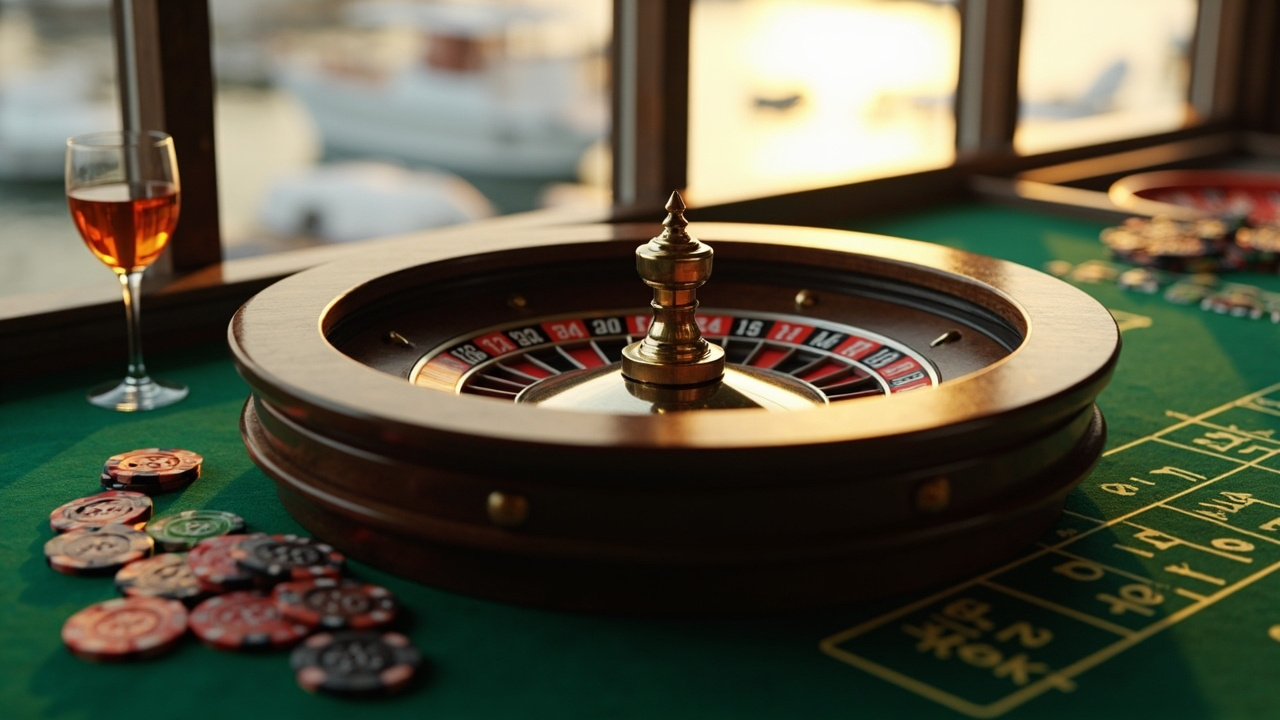
A dependable layout keeps the community cards central, betting controls near the action and player information visible at a glance. On desktop, that might mean a wide table with chips arranged by denomination. On mobile, buttons need enough separation to prevent accidental taps, while a compact hand-history panel should remain available when needed. A “busy as” casino floor can make even a good design feel confusing; a clean screen should carry its share of the observation work.
From table history to a disciplined read
A read becomes more useful when the interface gives you something specific to compare. Track bet sizing, response time, position and frequency rather than collecting random facial expressions. A player who repeatedly pot-sized after being raised may be avoiding information; another who checks the turn at a consistent rate may simply be cautious. The screen should support that comparison, not manufacture certainty.
This is where I’d apply the floor-supervisor test. In a live room, I watch whether a player is reacting to the cards, the pot or other people’s behaviour. A sudden change in attention may be meaningful, but it may also reflect fatigue or a nearby distraction. In an online poker interface, timing and betting patterns can look sharper, yet the same caution applies: a delay is data, not proof.
The practical sequence is simple: record the observation, identify what happened after it, and compare several comparable situations. That is a more reliable poker reads and tells habit than trying to win from one dramatic stare. It also keeps the game in proportion – useful information helps you choose, but no interface guarantees a result.
Choosing a Site That Supports Better Decisions
A player’s needs are broader than finding attractive cards. Search should locate a specific game or table category; navigation should keep the return path obvious; and the responsible gaming tools should be reachable without a scavenger hunt. In Australia, age verification, deposit limits and account controls should be clearly explained. Never treat a polished interface as permission to ignore those boundaries or to bypass geographic restrictions.
Payments deserve the same practical scrutiny. A cashier that shows AUD, fees and processing expectations before confirmation is easier to judge than one that reveals them after the transaction. Support should explain game rules, promotions and verification requests in plain English. If a bonus is advertised, its wagering requirements, eligible games and expiry period should sit beside the offer, not behind several clicks.
Loyalty should reward sensible play rather than encourage chasing losses. A player may value a clear progression system, but points should not be presented as guaranteed winnings. The best responsible design makes the real cost of a bonus visible and lets the player pause, set a limit or leave the table.
For Australian adults, usability is not merely a modern feature. It is part of safer decision-making: fewer errors, clearer terms and quicker access to help. If a site makes poker reads and tells harder to investigate, it is making the player work harder for less useful evidence.
Poker reads and tells are most valuable when paired with a clear interface and a measured routine. Read the table, check the context and record what happened rather than chasing a single “tell”. Australian players should choose transparent information, verify the terms and keep their limits visible. Observation can improve your questions; it cannot remove uncertainty or turn poker into a sure thing.